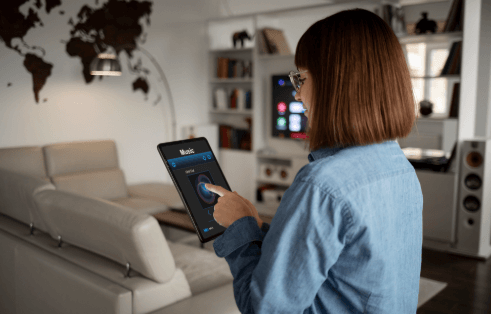
Digital home ecosystems assemble devices into coordinated networks through standardized protocols and centralized hubs. Interoperability reduces friction and vendor lock-in, while clear naming and interoperable software minimize ambiguity. As openness grows, governance and privacy safeguards must keep pace with evolving device intelligence. The result is scalable integration and resilient security, yet choices remain nuanced. The landscape invites scrutiny of trade-offs and governance models, offering a path that rewards disciplined, user-centered design—if the next steps are understood.
How Digital Home Ecosystems Work Together
Digital home ecosystems coordinate through standardized communication protocols, centralized hubs, and interoperable software, enabling disparate devices to share data and respond to user routines. The arrangement relies on interoperability standards and consistent device naming schemes to prevent ambiguity, ensure seamless discovery, and optimize orchestration.
Centralized control translates complexity into predictable behavior, empowering users to customize routines while preserving security, privacy, and scalable integration across platforms.
Why We Seek Interoperability and Privacy
Interoperability and privacy are pursued to ensure predictable, secure interactions among diverse devices and platforms within a digital home ecosystem. These aims reflect a desire for autonomy: interoperable systems reduce vendor lock-in, while privacy safeguards curb surveillance and data misuse.
Yet tradeoffs exist, notably privacy tradeoffs and the need for data portability, balancing openness with safeguards in evolving home networks.
Evaluating Platforms: Choosing What Fits Your Home
Selecting a platform for a home ecosystem requires a disciplined assessment of compatibility, security, and long-term support. In practice, evaluators compare device compatibility across ecosystems, examining whether smart devices, assistants, and hubs interoperate without friction. User control remains central: clear privacy settings, robust permissions, and transparent data flows. A disciplined choice reduces vendor lock-in while preserving flexibility and scalable, future-ready performance.
The Future: What Comes Next for Connected Living
The trajectory beyond current home ecosystems rests on expanding device intelligence, broader platform openness, and stronger emphasis on privacy-by-design. As ecosystems evolve, consumers gain autonomy, but tensions arise: privacy tradeoffs may accompany smarter automation, and vendor lock in could limit interoperability. Transparent governance and modular standards will determine resilience, enabling choice without compromising security, efficiency, or personal control across connected living.
See also: newsdescribe
Frequently Asked Questions
How Secure Is My Data Across Devices From Different Vendors?
There are significant security concerns when data moves across devices from different vendors, yet cross vendor interoperability remains uneven; careful design and consistent standards are essential to minimize risk while preserving user autonomy and flexible choice.
Can I Control Caffeine Habits With Connected Kitchen Devices?
It is possible to control caffeine using connected kitchen devices, though effectiveness varies. The system can schedule, monitor, and adjust intake, but user discipline, device interoperability, and privacy considerations ultimately determine sustained results for a freedom-seeking audience.
Do Digital Home Ecosystems Support Offline Functionality?
Like a quiet lighthouse, offline functionality exists only partially in digital home ecosystems; they generally depend on cloud services. This affects device interoperability, with limited local control when networks falter, guiding users toward resilient, freedom-minded setup choices.
What Are the Energy-Use Implications of Smart Appliances?
Smart appliances influence energy use via energy efficiency and appliance power draw; platform updates can alter performance, sometimes increasing consumption. Data governance matters for monitoring consumption patterns, while informed users weigh efficiency gains against privacy and control trade-offs.
How Do I Budget for Ongoing Platform Subscription Costs?
Budgeting subscriptions requires clear budgeting subscriptions, accounting for platform overhead and ongoing costs; cross vendor data security and offline functionality matter. Energy efficiency and caffeine automation influence kitchen devices, guiding budget planning for smart appliances and platform overhead.
Conclusion
In digital home ecosystems, devices communicate through standardized protocols and centralized hubs, delivering coordinated control and scalable growth. Interoperability lowers vendor lock-in, while privacy-by-design and transparent governance guard user autonomy. As intelligences evolve and modular standards mature, homes gain resilient security and predictable controls. The challenge remains balancing openness with privacy safeguards. As the saying goes, “forewarned is forearmed”—anticipate evolving standards and permissions to sustain trustworthy, flexible living spaces.
