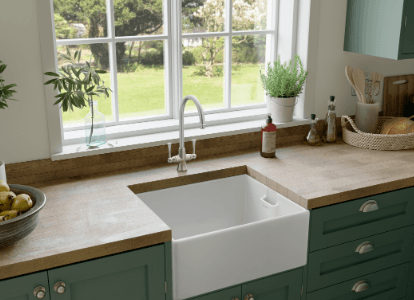
Maintaining kitchen plumbing requires a structured approach. Identify common problems early, such as leaks, clogs, and weak seals. Establish a preventive routine that covers traps, seals, and disposals, alongside regular drain checks for signs of trouble. Simple DIY steps can address minor issues, but a clear plan for professional input is essential when problems persist. The result should be measurable improvements and minimal disruption, leaving the reader with a specific next step to pursue.
Identify Common Kitchen Plumbing Problems
Common kitchen plumbing issues typically manifest as clogs, leaks, reduced drainage, and unusual noises. The analysis traces symptoms to drain clogs or compromised components, distinguishing blockages from mechanical wear. Attention is given to routine checks, fixture integrity, and trap condition.
Emphasize drain clogs identification and proper garbage disposal care to prevent recurrence, ensuring systems sustain efficient throughput and reduced risk.
Essential Preventive Maintenance Routine
A systematic preventive maintenance routine follows the identification of typical kitchen plumbing problems, focusing on sustaining reliable drainage and minimizing the occurrence of clogs, leaks, and degraded performance.
Regular inspection schedules define cleaning frequency and component accessibility, enabling proactive replacement when wear indicators appear.
Implemented measures include accessible trap cleanouts, trap seals verification, and dedicated leak detection procedures to sustain optimal system integrity.
See also: The Rise of Digital Identity
Simple DIY Fixes You Can Do Today
Many minor kitchen plumbing issues can be resolved with straightforward, low-cost actions. This section presents simple DIY fixes that a homeowner can perform without professional tools. A leaky faucet is addressed by tightening connections and replacing worn washers. A clogged drain is mitigated by manual snaking or a cautious, approved chemical alternative. Procedures emphasize careful disassembly, testing, and restoration of normal flow.
When to Call a Pro and What to Expect
When should a professional plumber be engaged, and what should homeowners expect during the process? Professional assessment follows defined steps: initial evaluation, leak detection, and diagnostic testing; protective shutoffs, safe access, and planning of repairs.
Expect documentation, timelines, and cost estimates. Professionals optimize water efficiency installations, ensure code compliance, and minimize disruption while isolating and correcting faults with measurable results.
Conclusion
In the kitchen, a quiet aqueduct is kept by a careful captain. The traps are watchful moats, seals its gates, and the disposal its wheelhouse. Regular patrols—inspection, cleaning, preventive checks—prevent floods and foul tides. When trouble brews, a charted course of professional plans ensures repairs sail true: documented steps, code-compliant fixes, minimal disruption. Thus, the system endures: efficient flow, swift response, and lasting calm beneath the sink.
